INDUSTRY:
INDUSTRY:
INDUSTRY:
FILM & ANIMATION
FILM & ANIMATION
FILM & ANIMATION
ENGAGEMENT:
ENGAGEMENT:
ENGAGEMENT:
PANTHERA 3D
PANTHERA 3D
PANTHERA 3D
YEAR:
YEAR:
YEAR:
2020
2020
2020
SOFTWARE:
SOFTWARE:
SOFTWARE:
MAYA, SUBSTANCE PAINTER, UNREAL ENGINE
MAYA, SUBSTANCE PAINTER, UNREAL ENGINE
MAYA, SUBSTANCE PAINTER, UNREAL ENGINE
ROLE:
ROLE:
ROLE:
3D CHARACTER ARTIST, UNREAL ENGINE ARTIST
3D CHARACTER ARTIST, UNREAL ENGINE ARTIST
3D CHARACTER ARTIST, UNREAL ENGINE ARTIST

SUSAN
& SILAS
SUSAN
& SILAS
SUSAN
& SILAS
SUSAN
& SILAS
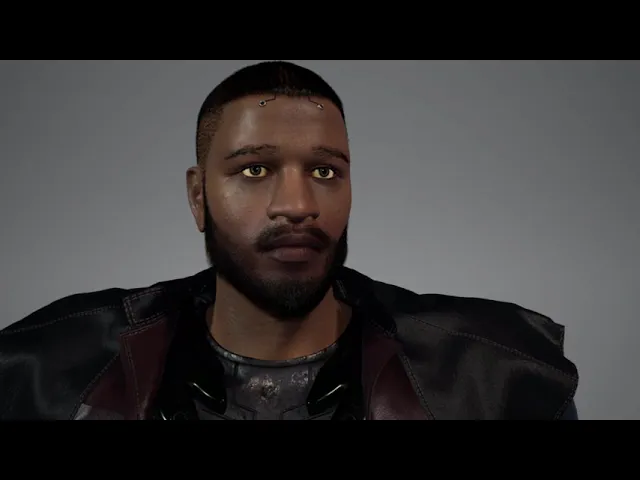
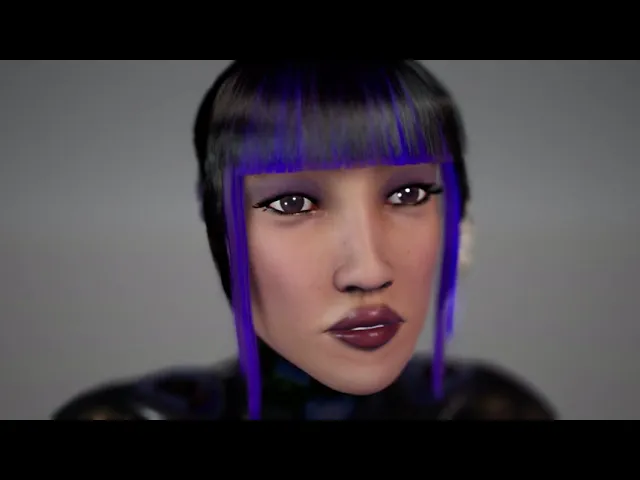
Susan & Silas are original 3D characters developed for cinematic production in Unreal Engine. Both characters were modelled from scratch and developed through a complete character creation and real-time integration pipeline, combining human anatomy with futuristic cyborg-inspired visual elements.
Susan & Silas are original 3D characters developed for cinematic production in Unreal Engine. Both characters were modelled from scratch and developed through a complete character creation and real-time integration pipeline, combining human anatomy with futuristic cyborg-inspired visual elements.
Susan & Silas are original 3D characters developed for cinematic production in Unreal Engine. Both characters were modelled from scratch and developed through a complete character creation and real-time integration pipeline, combining human anatomy with futuristic cyborg-inspired visual elements.
Susan & Silas are original 3D characters developed for cinematic production in Unreal Engine. Both characters were modelled from scratch and developed through a complete character creation and real-time integration pipeline, combining human anatomy with futuristic cyborg-inspired visual elements.


The workflow covered Modelling, Uv unwrapping, baking and texture painting, Xgen grroming, Advanced skeleton face and body rigging, mocap retargeting and clean-up, unreal engine setup, materials and parameter collection setup, sequencer animation and rendering.
The workflow covered Modelling, Uv unwrapping, baking and texture painting, Xgen grroming, Advanced skeleton face and body rigging, mocap retargeting and clean-up, unreal engine setup, materials and parameter collection setup, sequencer animation and rendering.
The workflow covered Modelling, Uv unwrapping, baking and texture painting, Xgen grroming, Advanced skeleton face and body rigging, mocap retargeting and clean-up, unreal engine setup, materials and parameter collection setup, sequencer animation and rendering.
The workflow covered Modelling, Uv unwrapping, baking and texture painting, Xgen grroming, Advanced skeleton face and body rigging, mocap retargeting and clean-up, unreal engine setup, materials and parameter collection setup, sequencer animation and rendering.


Susan and Silas were modelled from scratch in Autodesk Maya, with the characters developed around a futuristic human/cyborg aesthetic.
The modelling process established their facial features, body proportions, clothing and costume structures, while additional surface and costume details were developed to reinforce their individual identities within the same science-fiction setting.
Susan and Silas were modelled from scratch in Autodesk Maya, with the characters developed around a futuristic human/cyborg aesthetic.
The modelling process established their facial features, body proportions, clothing and costume structures, while additional surface and costume details were developed to reinforce their individual identities within the same science-fiction setting.
Susan and Silas were modelled from scratch in Autodesk Maya, with the characters developed around a futuristic human/cyborg aesthetic.
The modelling process established their facial features, body proportions, clothing and costume structures, while additional surface and costume details were developed to reinforce their individual identities within the same science-fiction setting.
Susan and Silas were modelled from scratch in Autodesk Maya, with the characters developed around a futuristic human/cyborg aesthetic.
The modelling process established their facial features, body proportions, clothing and costume structures, while additional surface and costume details were developed to reinforce their individual identities within the same science-fiction setting.
The characters were taken into Substance Painter for texture baking and painting, with the primary objective of developing a futuristic human/cyborg skin appearance.
Rather than relying entirely on procedural textures, much of the character detailing was hand-painted using a range of brushes. This allowed subtle variations in skin tone, surface coloration and futuristic mechanical influences to be placed precisely across the characters.
The characters were taken into Substance Painter for texture baking and painting, with the primary objective of developing a futuristic human/cyborg skin appearance.
Rather than relying entirely on procedural textures, much of the character detailing was hand-painted using a range of brushes. This allowed subtle variations in skin tone, surface coloration and futuristic mechanical influences to be placed precisely across the characters.
The characters were taken into Substance Painter for texture baking and painting, with the primary objective of developing a futuristic human/cyborg skin appearance.
Rather than relying entirely on procedural textures, much of the character detailing was hand-painted using a range of brushes. This allowed subtle variations in skin tone, surface coloration and futuristic mechanical influences to be placed precisely across the characters.
The characters were taken into Substance Painter for texture baking and painting, with the primary objective of developing a futuristic human/cyborg skin appearance.
Rather than relying entirely on procedural textures, much of the character detailing was hand-painted using a range of brushes. This allowed subtle variations in skin tone, surface coloration and futuristic mechanical influences to be placed precisely across the characters.
After the texturing stage, the characters were brought back into Autodesk Maya for hair grooming using XGen.
The grooming process provided the characters with a more complete and natural presentation, while also preparing the hair assets for subsequent integration into the Unreal Engine cinematic pipeline.
After the texturing stage, the characters were brought back into Autodesk Maya for hair grooming using XGen.
The grooming process provided the characters with a more complete and natural presentation, while also preparing the hair assets for subsequent integration into the Unreal Engine cinematic pipeline.
After the texturing stage, the characters were brought back into Autodesk Maya for hair grooming using XGen.
The grooming process provided the characters with a more complete and natural presentation, while also preparing the hair assets for subsequent integration into the Unreal Engine cinematic pipeline.
After the texturing stage, the characters were brought back into Autodesk Maya for hair grooming using XGen.
The grooming process provided the characters with a more complete and natural presentation, while also preparing the hair assets for subsequent integration into the Unreal Engine cinematic pipeline.
Susan and Silas were imported into Unreal Engine, where the required skeletal, material and grooming systems were configured for real-time use.
The imported character assets were set up to preserve their appearance and animation capabilities while providing the flexibility required for cinematic production.
Susan and Silas were imported into Unreal Engine, where the required skeletal, material and grooming systems were configured for real-time use.
The imported character assets were set up to preserve their appearance and animation capabilities while providing the flexibility required for cinematic production.
Susan and Silas were imported into Unreal Engine, where the required skeletal, material and grooming systems were configured for real-time use.
The imported character assets were set up to preserve their appearance and animation capabilities while providing the flexibility required for cinematic production.
Susan and Silas were imported into Unreal Engine, where the required skeletal, material and grooming systems were configured for real-time use.
The imported character assets were set up to preserve their appearance and animation capabilities while providing the flexibility required for cinematic production.
Second versions of the characters were created by adjusting facial and body topology, tweaking some details in substance painter, adjusting the hair groom/color and improving on clothing by using Marvellous designer to model the trench coat and cape meshes.
Second versions of the characters were created by adjusting facial and body topology, tweaking some details in substance painter, adjusting the hair groom/color and improving on clothing by using Marvellous designer to model the trench coat and cape meshes.
Second versions of the characters were created by adjusting facial and body topology, tweaking some details in substance painter, adjusting the hair groom/color and improving on clothing by using Marvellous designer to model the trench coat and cape meshes.
Second versions of the characters were created by adjusting facial and body topology, tweaking some details in substance painter, adjusting the hair groom/color and improving on clothing by using Marvellous designer to model the trench coat and cape meshes.

Before exporting the characters to Unreal Engine, selected motion-capture animations were retargeted to the character rigs.
The retargeted animations were exported as individual animation assets, creating a reusable library of movements that could be imported into Unreal Engine and applied to the characters during cinematic production.
Before exporting the characters to Unreal Engine, selected motion-capture animations were retargeted to the character rigs.
The retargeted animations were exported as individual animation assets, creating a reusable library of movements that could be imported into Unreal Engine and applied to the characters during cinematic production.
Before exporting the characters to Unreal Engine, selected motion-capture animations were retargeted to the character rigs.
The retargeted animations were exported as individual animation assets, creating a reusable library of movements that could be imported into Unreal Engine and applied to the characters during cinematic production.
Before exporting the characters to Unreal Engine, selected motion-capture animations were retargeted to the character rigs.
The retargeted animations were exported as individual animation assets, creating a reusable library of movements that could be imported into Unreal Engine and applied to the characters during cinematic production.
Within Unreal Engine, the characters' materials and grooming systems were configured for real-time rendering.
The material setup provided control over the characters' skin, clothing and technological surface details, while the grooming setup integrated the XGen-created hair into the Unreal Engine character pipeline.
Within Unreal Engine, the characters' materials and grooming systems were configured for real-time rendering.
The material setup provided control over the characters' skin, clothing and technological surface details, while the grooming setup integrated the XGen-created hair into the Unreal Engine character pipeline.
Within Unreal Engine, the characters' materials and grooming systems were configured for real-time rendering.
The material setup provided control over the characters' skin, clothing and technological surface details, while the grooming setup integrated the XGen-created hair into the Unreal Engine character pipeline.
Within Unreal Engine, the characters' materials and grooming systems were configured for real-time rendering.
The material setup provided control over the characters' skin, clothing and technological surface details, while the grooming setup integrated the XGen-created hair into the Unreal Engine character pipeline.
ARKit facial animation support was integrated into the character setup to enable the use of facial motion-capture animations.
This allowed captured facial performances, including mouth and lip movements, to be applied to Susan and Silas for dialogue-driven cinematic sequences, providing a more natural connection between voice performance and character animation.
ARKit facial animation support was integrated into the character setup to enable the use of facial motion-capture animations.
This allowed captured facial performances, including mouth and lip movements, to be applied to Susan and Silas for dialogue-driven cinematic sequences, providing a more natural connection between voice performance and character animation.
ARKit facial animation support was integrated into the character setup to enable the use of facial motion-capture animations.
This allowed captured facial performances, including mouth and lip movements, to be applied to Susan and Silas for dialogue-driven cinematic sequences, providing a more natural connection between voice performance and character animation.
ARKit facial animation support was integrated into the character setup to enable the use of facial motion-capture animations.
This allowed captured facial performances, including mouth and lip movements, to be applied to Susan and Silas for dialogue-driven cinematic sequences, providing a more natural connection between voice performance and character animation.
Following their initial cinematic development, Susan and Silas were subsequently optimized for use as Unreal Engine game assets.
This second stage adapted the characters for more performance-conscious real-time use while retaining their essential visual characteristics, skeletal animation capabilities and facial performance functionality.
Following their initial cinematic development, Susan and Silas were subsequently optimized for use as Unreal Engine game assets.
This second stage adapted the characters for more performance-conscious real-time use while retaining their essential visual characteristics, skeletal animation capabilities and facial performance functionality.
Following their initial cinematic development, Susan and Silas were subsequently optimized for use as Unreal Engine game assets.
This second stage adapted the characters for more performance-conscious real-time use while retaining their essential visual characteristics, skeletal animation capabilities and facial performance functionality.
Following their initial cinematic development, Susan and Silas were subsequently optimized for use as Unreal Engine game assets.
This second stage adapted the characters for more performance-conscious real-time use while retaining their essential visual characteristics, skeletal animation capabilities and facial performance functionality.
Susan and Silas demonstrate a complete character development and Unreal Engine integration workflow, from original modelling and hand-painted surface detailing to grooming, body and facial rigging, motion-capture integration and real-time cinematic setup.
The project reflects my approach to developing characters not only as detailed 3D models, but as fully functional digital assets prepared for animation, performance and real-time production in Unreal Engine.
Susan and Silas demonstrate a complete character development and Unreal Engine integration workflow, from original modelling and hand-painted surface detailing to grooming, body and facial rigging, motion-capture integration and real-time cinematic setup.
The project reflects my approach to developing characters not only as detailed 3D models, but as fully functional digital assets prepared for animation, performance and real-time production in Unreal Engine.
Susan and Silas demonstrate a complete character development and Unreal Engine integration workflow, from original modelling and hand-painted surface detailing to grooming, body and facial rigging, motion-capture integration and real-time cinematic setup.
The project reflects my approach to developing characters not only as detailed 3D models, but as fully functional digital assets prepared for animation, performance and real-time production in Unreal Engine.
Susan and Silas demonstrate a complete character development and Unreal Engine integration workflow, from original modelling and hand-painted surface detailing to grooming, body and facial rigging, motion-capture integration and real-time cinematic setup.
The project reflects my approach to developing characters not only as detailed 3D models, but as fully functional digital assets prepared for animation, performance and real-time production in Unreal Engine.